How Is Sustainable Bio-based Plastic Reshaping the Future of Materials?
Sustainable bio-based plastic is emerging as a transformative material in the global effort to reduce dependence on fossil fuels and minimize environmental impact. Unlike conventional plastics derived from petroleum, bio-based plastics are produced from renewable biological resources such as corn starch, sugarcane, cellulose, and agricultural waste. This article explores the full lifecycle of sustainable bio-based plastic, including its raw materials, production methods, advantages, limitations, industrial applications, and future development trends. It also addresses key challenges businesses face when transitioning toward greener material systems, offering practical insights for decision-makers seeking long-term sustainability without compromising performance or cost efficiency.
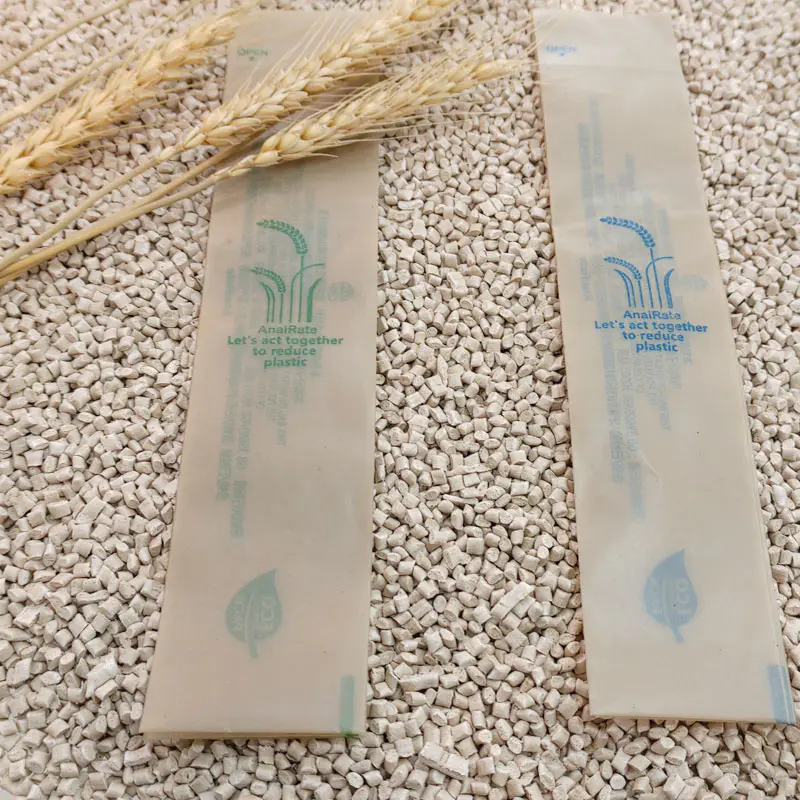
Table of Contents
- What Is Sustainable Bio-based Plastic?
- Why Sustainable Bio-based Plastic Matters
- Key Raw Materials
- Manufacturing Process
- Core Benefits
- Challenges and Limitations
- Industrial Applications
- Bio-based vs Conventional Plastics
- Market Trends and Future Outlook
- How Companies Can Adopt Bio-based Plastics
- FAQ
- Conclusion & Contact
What Is Sustainable Bio-based Plastic?
Sustainable bio-based plastic refers to a category of polymers derived partially or entirely from renewable biological resources. Unlike traditional plastics, which rely heavily on fossil fuels, bio-based plastics are designed to reduce carbon footprint while maintaining functional performance. These materials may or may not be biodegradable, but their key distinction lies in the origin of their carbon content.
Common types include polylactic acid (PLA), bio-polyethylene (bio-PE), and polyhydroxyalkanoates (PHA). Each material has different properties, making them suitable for packaging, automotive components, agriculture films, and medical devices.
Why Sustainable Bio-based Plastic Matters
The global plastic crisis has intensified demand for alternatives that reduce environmental burden. Traditional plastics can persist for hundreds of years, contributing to pollution in oceans, soil, and ecosystems. Sustainable bio-based plastic offers a pathway toward reducing reliance on fossil resources while supporting circular economy principles.
Key reasons for its importance include:
- Reduction of greenhouse gas emissions during production
- Decreased dependency on crude oil
- Potential for compostability in controlled environments
- Support for renewable agriculture-based supply chains
Key Raw Materials
The production of sustainable bio-based plastic relies on renewable feedstocks. These include:
- Corn starch: A widely used source for PLA production
- Sugarcane: Used in bio-polyethylene manufacturing
- Cellulose: Derived from wood and plant fibers
- Vegetable oils: Used in polyurethane and polyester synthesis
- Agricultural waste: Emerging sustainable feedstock for next-generation biopolymers
The choice of raw material significantly impacts cost, mechanical properties, and environmental performance.
Manufacturing Process
The production process varies depending on polymer type, but generally includes fermentation, polymerization, and refining stages. For example, PLA is produced through the fermentation of plant sugars into lactic acid, followed by polymerization into long-chain molecules.
Key stages include:
- Biomass cultivation and harvesting
- Extraction of fermentable sugars or oils
- Microbial fermentation or chemical conversion
- Polymer formation and compounding
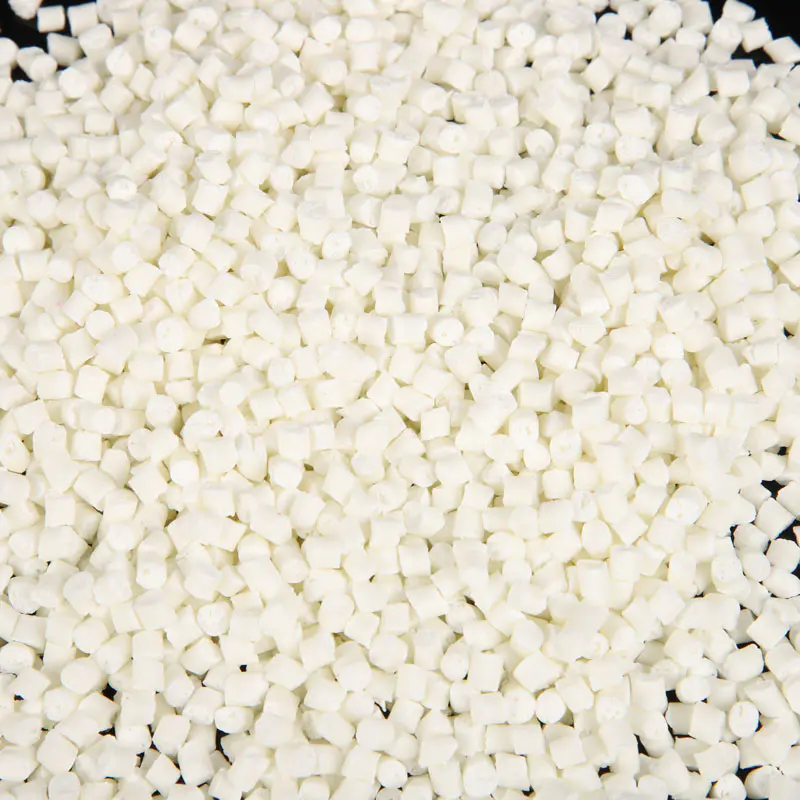
- Pelletization for industrial use
Advanced manufacturing technologies continue to improve efficiency and scalability, making sustainable bio-based plastic increasingly competitive.
Core Benefits
Sustainable bio-based plastic offers multiple advantages across environmental and industrial dimensions.
- Lower carbon footprint: Reduced greenhouse gas emissions during production
- Renewable sourcing: Derived from plant-based feedstocks
- Reduced fossil fuel dependency: Supports energy diversification
- Potential biodegradability: Certain types decompose under industrial composting conditions
- Design flexibility: Can be engineered for specific performance requirements
Challenges and Limitations
Despite its advantages, sustainable bio-based plastic faces several challenges that limit large-scale adoption.
- Higher production costs: Compared to petroleum-based plastics
- Limited industrial composting infrastructure: Restricts biodegradability benefits
- Performance variability: Some materials lack heat resistance or durability
- Food vs material competition: Agricultural feedstocks may compete with food supply
Addressing these challenges requires innovation in biotechnology, supply chain optimization, and policy support.
Industrial Applications
Sustainable bio-based plastic is already being used across multiple industries:
- Packaging: Food containers, films, and bottles
- Agriculture: Mulch films and plant pots
- Automotive: Interior trims and lightweight components
- Medical: Sutures, drug delivery systems, and disposable tools
- Consumer goods: Electronics casings and household items
The versatility of these materials enables integration into both high-performance and disposable applications.
Bio-based vs Conventional Plastics
| Feature | Sustainable Bio-based Plastic | Conventional Plastic |
|---|---|---|
| Raw Material | Renewable biomass | Petroleum-based |
| Carbon Footprint | Lower | Higher |
| Biodegradability | Partial or full (depending on type) | Very limited |
| Cost | Generally higher | Lower |
| Performance | Improving, application-specific | Highly established |
Market Trends and Future Outlook
The global demand for sustainable materials is accelerating due to regulatory pressure, consumer awareness, and corporate sustainability commitments. Sustainable bio-based plastic is expected to grow significantly over the next decade as production technologies mature and economies of scale improve.
Key trends include:
- Expansion of bio-refineries
- Integration of waste-based feedstocks
- Hybrid materials combining bio and recycled plastics
- Government incentives for green materials
These developments indicate a strong trajectory toward mainstream adoption in multiple industries.
How Companies Can Adopt Bio-based Plastics
For businesses transitioning to sustainable materials, a structured approach is essential:
- Evaluate product requirements and material compatibility
- Conduct lifecycle and cost analysis
- Partner with certified suppliers
- Test performance under real-world conditions
- Gradually integrate into product lines
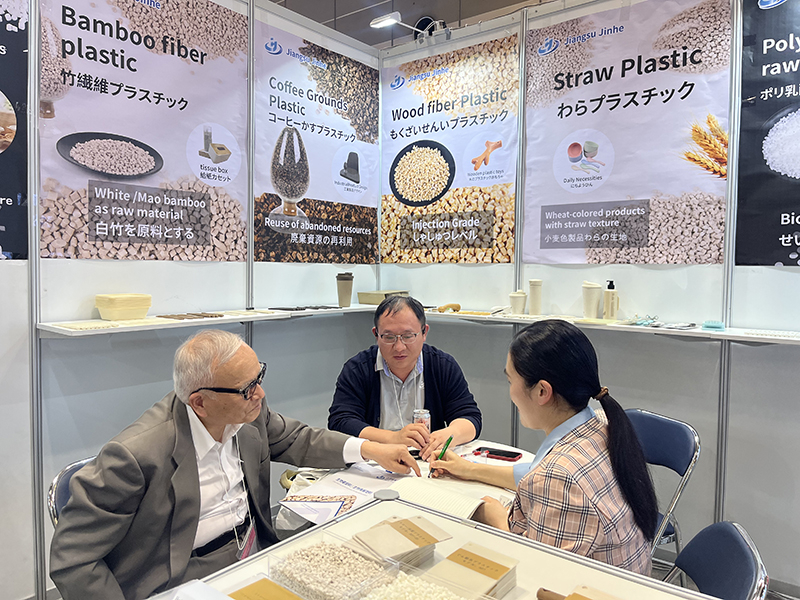
Companies like Jiangsu Jinhe High-tech Co., Ltd. are actively involved in supporting material innovation and industrial application development, helping businesses transition toward more sustainable material systems.
FAQ
What is sustainable bio-based plastic made from?
It is made from renewable resources such as corn starch, sugarcane, cellulose, and plant oils.
Is bio-based plastic fully biodegradable?
Not all bio-based plastics are biodegradable; biodegradability depends on the polymer type and environmental conditions.
Is it more expensive than traditional plastic?
Currently, production costs are generally higher, but prices are expected to decrease with technological advancement.
Where is it most commonly used?
It is widely used in packaging, agriculture, medical applications, and consumer goods.
Does it perform as well as conventional plastic?
Performance varies by type, but many bio-based plastics now match conventional plastics in several applications.
Conclusion & Contact
Sustainable bio-based plastic represents a critical step toward a more responsible and resource-efficient material economy. While challenges remain in cost, infrastructure, and scalability, ongoing innovation is rapidly closing the gap between traditional and renewable plastics. Businesses that adopt these materials early can benefit from long-term sustainability advantages and improved environmental positioning.
For companies seeking reliable solutions, material consultation, or industrial support in sustainable polymer applications, Jiangsu Jinhe High-tech Co., Ltd. provides advanced expertise and production capabilities.
If you are interested in exploring customized solutions or partnership opportunities, please feel free to contact us to learn how we can support your transition toward sustainable bio-based plastic technologies and next-generation material innovation.
Related News
- Can lab‑certified straw bio‑based compounds sustain consistent behaviour across real‑world injection‑moulding campaigns?
- What Multi-Scenario Tunable Bio-Based Plastics Help Brands Pass Global Plastic Regulatory Audits?
- Why Is Biodegradable Plastic Becoming Essential for Modern Industry?
- What Makes Starch-Based Plastic the Future of Sustainable Materials?
- What Makes Straw Fiber Plastic the Future of Eco-Friendly Materials?
- What Makes Bamboo Fiber Plastic the Future of Sustainable Material Innovation?
Leave me a message