Why Is Biodegradable Plastic Becoming Essential for Modern Industry?
The growing environmental crisis has accelerated the need for sustainable materials. Biodegradable plastic, a revolutionary alternative to traditional plastics, is gaining attention across industries. This article explores its benefits, types, applications, challenges, and the future of sustainable plastics. Insights are shared from Jiangsu Jinhe High-tech Co., Ltd. to help businesses and consumers understand how biodegradable plastics can meet modern demands.

Table of Contents
- Introduction to Biodegradable Plastic
- Why Biodegradable Plastic Matters
- Types of Biodegradable Plastics
- Benefits of Using Biodegradable Plastics
- Key Industrial Applications
- Challenges and Misconceptions
- Comparison: Biodegradable vs Conventional Plastics
- The Future of Biodegradable Plastics
- FAQ
- Contact Jiangsu Jinhe High-tech Co., Ltd.
Introduction to Biodegradable Plastic
Biodegradable plastics are materials designed to decompose naturally by the action of microorganisms such as bacteria and fungi. Unlike traditional plastics, which can persist in the environment for hundreds of years, biodegradable plastics break down into water, carbon dioxide, and organic matter under appropriate conditions. With mounting concerns over plastic pollution, industries are increasingly shifting towards eco-friendly alternatives.
Jiangsu Jinhe High-tech Co., Ltd. has been at the forefront of producing high-quality biodegradable plastics, ensuring both environmental sustainability and product performance.
Why Biodegradable Plastic Matters
The environmental impact of conventional plastics is well-documented. Landfills overflow, oceans are choked with plastic waste, and microplastics have entered the food chain. Biodegradable plastics offer a solution to mitigate these issues. Here are key reasons why they are essential:
- Reduces long-term environmental pollution.
- Supports circular economy initiatives.
- Enhances corporate social responsibility and brand image.
- Compliance with global regulations on plastic usage.
Companies like Jiangsu Jinhe High-tech Co., Ltd. emphasize that adopting biodegradable plastics is not just a trend but a responsible business strategy.
Types of Biodegradable Plastics
Understanding the various types helps industries choose the right material for their needs:
| Type | Description | Applications |
|---|---|---|
| PLA (Polylactic Acid) | Derived from corn starch or sugarcane; compostable in industrial conditions. | Food packaging, disposable utensils, 3D printing filaments |
| PHA (Polyhydroxyalkanoates) | Produced by microbial fermentation; fully biodegradable in marine and soil environments. | Medical devices, agricultural films, packaging |
| Starch-based Plastics | Blends of natural starch with biodegradable polymers. | Shopping bags, compostable trays, loose-fill packaging |
| PBAT (Polybutylene Adipate Terephthalate) | Flexible biodegradable polymer often blended with PLA for durability. | Flexible packaging, biodegradable bags, agricultural mulch |
Benefits of Using Biodegradable Plastics
Biodegradable plastics offer multiple advantages across environmental, economic, and operational domains:
- Environmental Preservation: Decomposition reduces landfill pressure and marine pollution.
- Energy Efficiency: Many biodegradable plastics require less energy to produce than petroleum-based plastics.
- Brand Differentiation: Companies gain a competitive edge by promoting sustainability.
- Consumer Appeal: Increasing awareness drives consumer preference for eco-friendly packaging.
- Regulatory Compliance: Adapts to stricter laws regarding single-use plastics.
Key Industrial Applications
Biodegradable plastics have wide-ranging uses across industries:
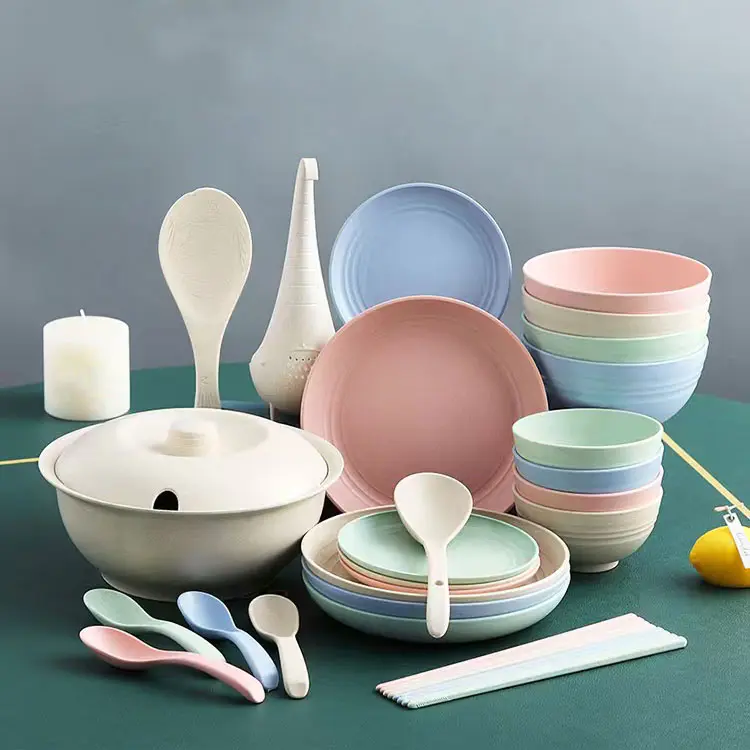
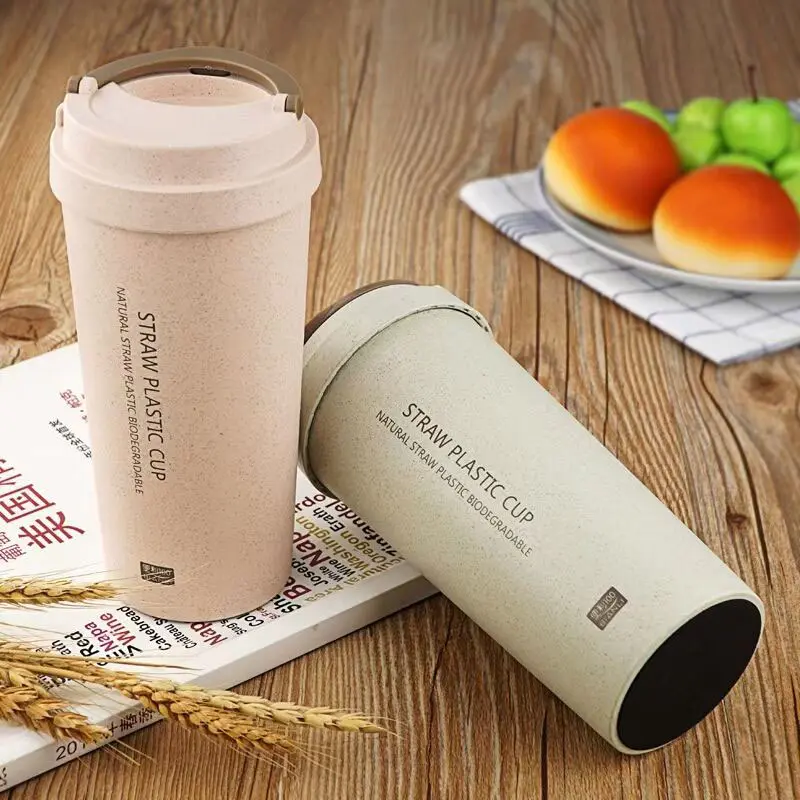
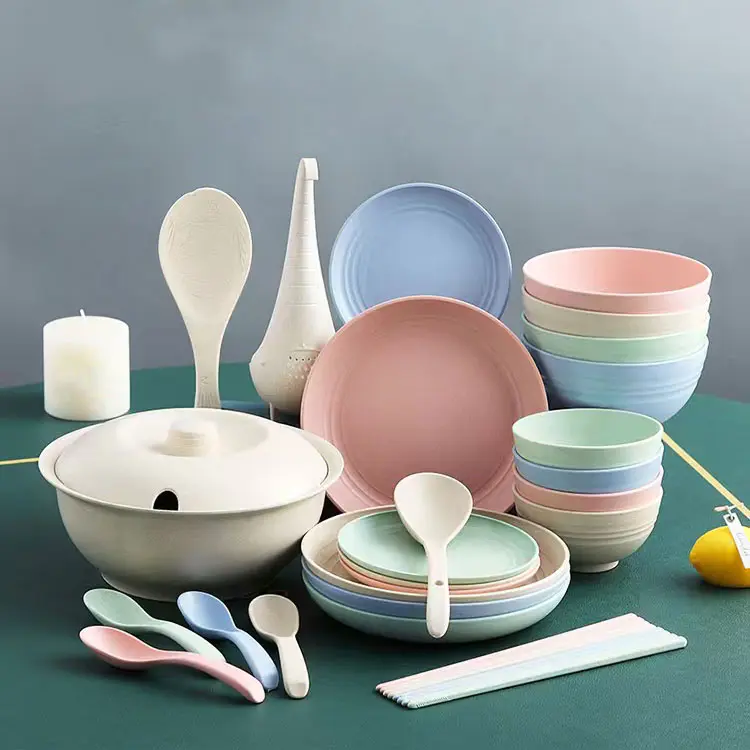
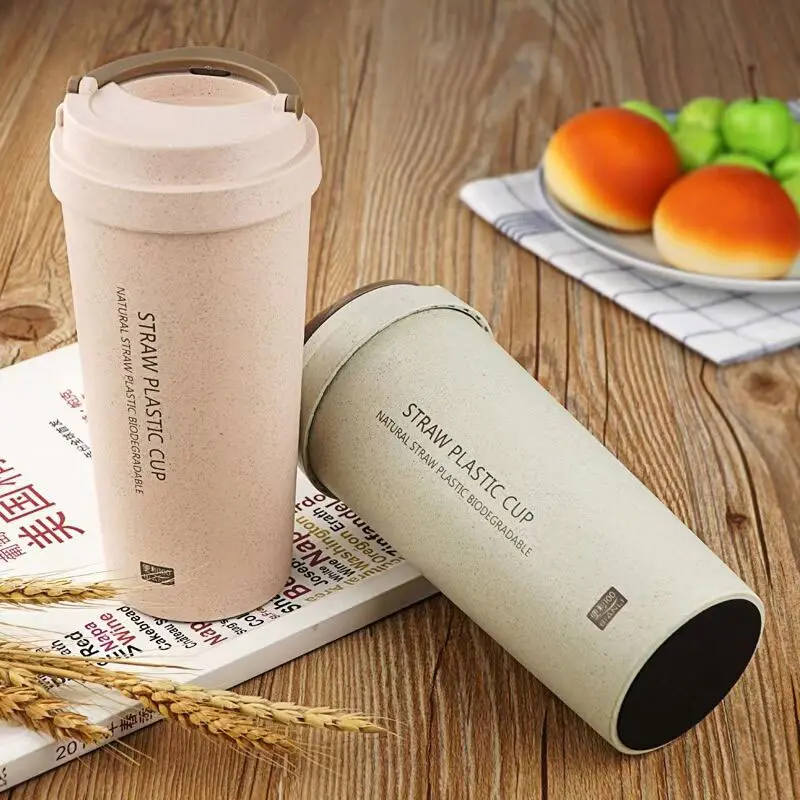
- Food Packaging: Biodegradable containers, trays, cutlery, and films.
- Medical Devices: Compostable surgical tools and implants with bioresorbable materials.
- Agriculture: Mulch films, seedling pots, and crop covers.
- Retail: Shopping bags, waste bags, and eco-friendly labels.
Jiangsu Jinhe High-tech Co., Ltd. provides tailored solutions for each industry, ensuring product performance while reducing environmental footprint.
Challenges and Misconceptions
Despite their benefits, biodegradable plastics face certain hurdles:
- Degradation Conditions: Some require industrial composting facilities, not natural environments.
- Cost: Slightly higher production costs compared to conventional plastics.
- Consumer Confusion: Misunderstandings about proper disposal can limit effectiveness.
- Performance Limitations: Certain applications may require enhanced durability.
To address these issues, Jiangsu Jinhe High-tech Co., Ltd. invests in R&D to improve material properties and provide clear usage guidance.
Comparison: Biodegradable vs Conventional Plastics
| Feature | Conventional Plastics | Biodegradable Plastics |
|---|---|---|
| Environmental Impact | Persistent, high pollution | Breaks down naturally, eco-friendly |
| Decomposition Time | Hundreds of years | Months to a few years |
| Raw Material Source | Fossil fuels | Renewable plant-based or microbial |
| Cost | Lower production cost | Slightly higher, but sustainable |
The Future of Biodegradable Plastics
The outlook for biodegradable plastics is promising. Innovations in material science are improving durability, reducing costs, and expanding applications. Governments worldwide are supporting policies to reduce plastic waste, boosting demand. Consumers are increasingly eco-conscious, making sustainable packaging a competitive advantage.
With companies like Jiangsu Jinhe High-tech Co., Ltd. leading the way, the integration of biodegradable plastics into mainstream production is accelerating. Their solutions combine high-quality performance with environmental stewardship, offering a viable pathway for industries seeking greener alternatives.
FAQ
Q1: Can biodegradable plastics decompose in a home environment?
A1: Some biodegradable plastics, such as PLA, require industrial composting facilities with higher temperatures to decompose efficiently. Starch-based plastics may degrade in home compost, but results vary.
Q2: Are biodegradable plastics more expensive than conventional plastics?
A2: Yes, currently production costs are slightly higher, but ongoing technological improvements are reducing the price gap.
Q3: Are biodegradable plastics safe for food contact?
A3: Yes, certified biodegradable plastics meet international food safety standards and are suitable for packaging and utensils.
Q4: How long does it take for biodegradable plastics to decompose?
A4: Depending on the type and environment, decomposition can take a few months to a few years. Industrial composting accelerates the process.
Q5: How can businesses adopt biodegradable plastics effectively?
A5: Partnering with reliable suppliers such as Jiangsu Jinhe High-tech Co., Ltd. ensures access to high-quality materials, technical support, and guidance for proper usage and disposal.
Contact Jiangsu Jinhe High-tech Co., Ltd.
Ready to make your operations more sustainable with high-quality biodegradable plastics? Jiangsu Jinhe High-tech Co., Ltd. offers tailored solutions for diverse industries, helping you reduce environmental impact and meet modern consumer demands. Contact us today and take the first step toward a greener future.
Related News
- Can lab‑certified straw bio‑based compounds sustain consistent behaviour across real‑world injection‑moulding campaigns?
- What Multi-Scenario Tunable Bio-Based Plastics Help Brands Pass Global Plastic Regulatory Audits?
- How Is Sustainable Bio-based Plastic Reshaping the Future of Materials?
- What Makes Starch-Based Plastic the Future of Sustainable Materials?
- What Makes Straw Fiber Plastic the Future of Eco-Friendly Materials?
- What Makes Bamboo Fiber Plastic the Future of Sustainable Material Innovation?
Leave me a message